





 Book An Appointment

What is emergency contraception?
Emergency contraception (EC) is used to reduce the risk of an unintended pregnancy after having unprotected sex.
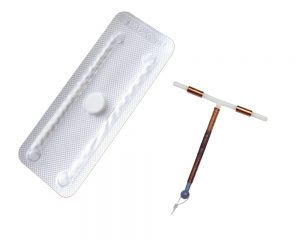
There are two kinds of emergency contraception available in Australia:
1. Emergency contraceptive pills (ECPs) – there are two types:
| The ulipristal acetate emergency contraceptive pill (UPA-ECP) also known as ‘EllaOne’ | A single tablet that can be taken up to five days (120 hours) after unprotected sex. Available without a prescription from pharmacies. |
| The levonorgestrel emergency contraceptive pill (LNG-ECP) | A single tablet that can be taken up to four days (96 hours) after unprotected sex. Available without a prescription from pharmacies. |
2. The copper intra-uterine device (IUD):
- inserted within 5 days (120 hours) of unprotected sex, which also provides very effective long-term contraception.
Why would I need emergency contraception?
You may decide to use emergency contraception if:
- you didn’t use any contraception and had unprotected vaginal sex
- you had sex without a condom or the condom broke
If you are not sure whether you are at risk of pregnancy, you can phone SHINE SA’s Sexual Healthline or talk to your local pharmacist, doctor or SHINE SA.
How does it work?
Emergency contraceptive pills (ECPs) work by delaying or stopping the release of an egg from the ovary. They are sometimes called the morning-after pill, but that’s not accurate — they can be taken up to five days after unprotected sex, though they work best the sooner you take them. If you have unprotected sex again you may need another dose.
ECPs don’t stop a fertilised egg from implanting, and they don’t harm a pregnancy if taken by mistake when already pregnant. They do not cause an abortion or affect your future ability to get pregnant.
The copper IUD is a small device that goes inside the uterus to help prevent pregnancy. It works by stopping sperm from reaching the egg and by changing the lining of the uterus.
Emergency contraception does not protect against sexually transmitted infections (STIs). Condoms are the best protection against STIs.
How effective is it?
The copper IUD is the most effective form of EC. It is more than 99% effective if used within 5 days (120 hours) of unprotected sex.
ECPs prevent about 85% of possible pregnancies.
ECPs should be taken as soon as possible, but are most effective if taken within 24 hours of unprotected sex.
The UPA-ECP is more effective than the LNG-ECP and can be taken up to 5 days (120 hours) after unprotected sex.
The LNG-ECP is most effective if taken within 3 days (72 hours) of unprotected sex but may still have some effect up to 4 days (96 hours), if there is no alternative EC available. Some pharmacists may not supply the LNG-ECP if you had unprotected sex over 72 hours ago as this is against the recommendations in the product information and you may need a prescription from a doctor.
If you vomit within 3 hours of taking the ECP it might not work, so taking another dose is recommended.
Some medications can reduce how well the ECP works such as those used to treat epilepsy and HIV. Herbal medications such as St John’s Wort can also affect the ECP.
Remember to discuss any other medications you are already taking with your pharmacist or doctor.
Who can take emergency contraception?
Almost anyone can take ECP, but it is important for the pharmacist or doctor to know if you have any allergies, are taking certain medications, or have any serious medical conditions. There are some differences between the two ECP types that might mean one is more suitable for you than the other.
How do I get emergency contraception?
The copper IUD can be inserted at SHINE SA, by gynaecologists and some trained GPs. You may need an appointment before the insertion.
The ECP is available without a prescription, over-the-counter at pharmacies. You can also get it at SHINE SA clinics, Adelaide Sexual Health Centre, Pregnancy Advisory Centre and many public hospital emergency departments.
Your GP can also provide you with a prescription for the ECP if you don’t feel comfortable talking to a pharmacist. You can ask your GP to provide a script to have ready in case you need to use it in the future. Your GP may also provide a sexual health check.
What are the possible side effects?
Emergency Contraceptive Pill
ECP might:
- Make your next period come earlier or later
- Change how much you bleed during your period.
Some people may also experience hormonal side effects such as headaches or nausea.
Copper IUD
In the first few weeks after getting a copper IUD, you might notice:
- Crampy abdominal pain
- Spotting or bleeding between periods
- Heavier periods.
Because the copper IUD has no hormones, it doesn’t cause any hormone-related side effects.
Do I need a pregnancy test?
No method of emergency contraception is 100% effective at preventing pregnancy.
It is recommended to have a pregnancy test at least three weeks after taking ECP to check if the ECP has worked and you are not pregnant.
You should also do a pregnancy test if:
- your next period is more than a week late
- your next period is light or unusual in any way.
Can I take the ECP more than once?
You can take the ECP more than once.
If you have further unprotected sex you should take the ECP again.
If you need to take the ECP more than once in the same month or menstrual cycle, it’s best to use the same kind each time. Changing between the two types of ECP can make them less effective.
However, using a regular, reliable form of contraception is the best protection against unintended pregnancy.
What about ongoing contraception?
If you choose a copper IUD as emergency contraception, it can be kept in place for up to 10 years if needed, or you can have it taken out any time before this.
ECPs only help prevent pregnancy from the unprotected sex you just had.
There are lots of options for ongoing contraception after ECP.
You can contact SHINE SA or your doctor to discuss your options.
Can I continue my current contraception?
It is not recommended to take certain methods of contraception within 5 days of UPA-ECP as it may reduce the effectiveness of the UPA. This includes all oral contraceptive pills, vaginal ring, contraceptive implant and injection.
If you take the LNG-ECP, you can keep using your regular contraception right away.
You can contact SHINE SA or your doctor to discuss your options.
Is it safe to take emergency contraception when breastfeeding?
The copper IUD and the LNG ECP are safe to use while breastfeeding — they won’t affect your breast milk.
The UPA emergency pill is also safe to use after giving birth. While there isn’t much research on using it during breastfeeding, it’s generally considered safe. You can speak to your doctor for more information.